Winter Attic Invaders: Why Mice and Rats Head Indoors in Memphis
Learn why dropping temperatures and damp Mid-South winters drive mice and roof rats straight into Memphis attics, the risks they pose, and how to protect your home.
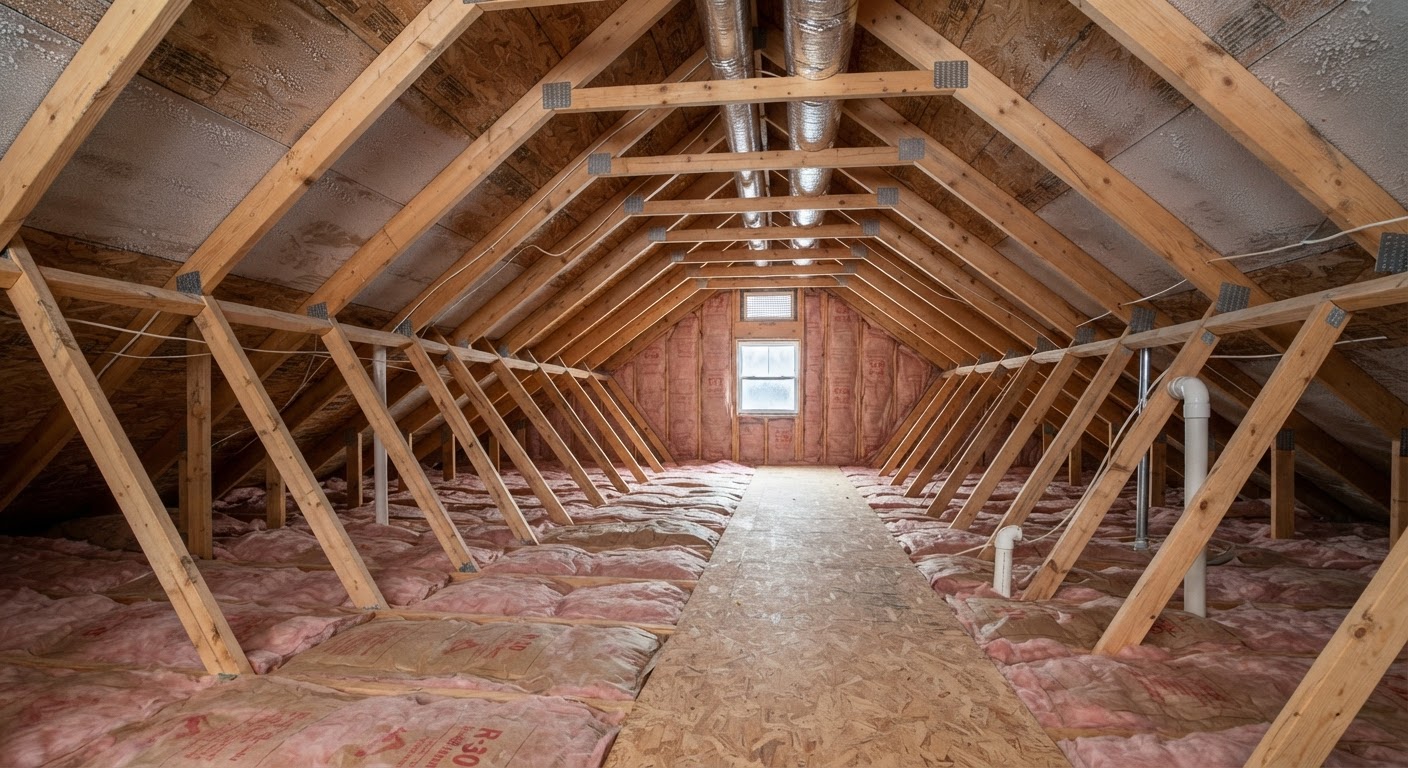
When winter arrives in Memphis, homeowners expect crisp mornings, damp river chill, and fluctuating temperatures that drop sharply overnight. While our winters may not bring prolonged blizzards, the Mid-South cold is more than enough to trigger a major survival instinct in local wildlife. As temperatures plummet, house mice, roof rats, and Norway rats search urgently for warm shelter, steady water, and reliable food. More often than not, their search ends directly above your ceiling.
Attic rodent activity surges across Shelby County between November and March. Understanding why these pests favor attics during the winter months, how they gain entry, and what threats they pose can help you safeguard your property before small invaders create significant structural and health problems.
The Memphis Winter Climate and Rodent Behavior
Rodents are warm-blooded mammals that require stable body heat to survive. During the spring and summer, outdoor environments across Memphis offer abundant natural sustenance, including wild seeds, garden vegetables, fallen fruit, insects, and lush vegetation. Rodents comfortably nest in tree hollows, ground burrows, woodpiles, and overgrown brush along neighborhood borders.
As winter sets in, natural food supplies dwindle rapidly. Frost kills off tender garden vegetation, deciduous trees lose their foliage, and cold rain soaks the soil. When soil temperatures drop, outdoor burrows become damp and frigid. Because rodents have rapid metabolisms, exposure to prolonged cold without immediate access to high-calorie food can be fatal. To survive, rodents follow thermal currents rising from residential buildings.
The Role of Temperature Fluctuations
Memphis winter weather often features sudden shifts. An afternoon with temperatures in the mid-fifties can rapidly descend into freezing conditions after nightfall when an Arctic cold front sweeps across the Mississippi River. These abrupt drops accelerate rodent movement. Mice and rats will not linger outside when a sudden freeze hits; they immediately seek out artificial heat sources, and residential attics provide the ideal sanctuary.
Why Attics Are the Primary Target
Homeowners often wonder why rodents end up in the attic rather than the basement or garage. While rodents certainly infiltrate crawlspaces and storage rooms, attics provide unique advantages that make them the preferred winter refuge for several reasons:
- Rising Thermal Heat: Because heat naturally rises, attics capture residual warmth escaping through ceilings, recessed lighting, and ductwork. Even an unheated attic remains substantially warmer and drier than the outdoor air or damp ground-level crawlspaces.
- Plentiful Nesting Materials: Modern attics are filled with fiberglass batting, blown cellulose, cardboard storage boxes, and discarded fabrics. These soft materials allow rodents to shred, burrow, and construct insulated nests where they can rear young undisturbed.
- Absolute Seclusion: Attics experience minimal foot traffic compared to the rest of the house. Mice and rats are nocturnal, cautious creatures that fear humans and domestic pets. An attic offers darkness, quiet, and security from family activity.
- Proximity to Roof Rats' Natural Habitat: Roof rats (also known as black rats) are agile climbers that naturally inhabit elevated environments such as tree canopies and vine-covered fences. Moving from a tall oak or crepe myrtle onto a roofline and directly into an attic vent feels natural to their foraging habits.
Neighborhood Factors Across Memphis
Local geography and architecture play a large role in winter rodent pressure. In mature Memphis neighborhoods such as Midtown, Central Gardens, and East Memphis, sprawling canopies of mature pecan, oak, and sweetgum trees often hang directly over rooflines. These overhanging limbs act as direct bridges, allowing roof rats and mice to bypass ground obstacles and land straight on your roof.
Older homes in historic sections of town frequently feature architectural details like decorative eaves, dormers, and aging fascia boards that develop subtle gaps over decades of seasonal expansion and contraction. Even in newer developments throughout Cordova or Germantown, ridge vents, plastic roof louver vents, and vinyl soffits can warp or crack, leaving openings that an adult mouse or rat can easily exploit.
The Risks of Attic Rodent Infestations
A rodent problem in the attic is rarely just an annoyance heard through the drywall; it presents severe hazards to your home and health.
Fire Hazards from Chewed Electrical Wiring
Mice and rats possess open-rooted incisors that grow continuously throughout their lives. To keep their teeth from overgrowing, rodents must continuously gnaw on dense materials. In an attic, electrical wiring often bears the brunt of this behavior. Stripped insulation on live wires creates exposed copper, posing a severe hidden fire hazard within your attic rafters.
Insulation Damage and Energy Loss
Rodents do not simply sit on attic insulation; they burrow through it, create extensive tunneling systems, and trample batting flat. Compressed insulation loses its thermal resistance (R-value), leading to drafts and driving up winter heating bills. Furthermore, urine and feces saturate the insulation, leaving behind pervasive odors that penetrate ceiling materials and attract future pests.
Air Quality and Health Concerns
Attic spaces are intimately tied to the air you breathe downstairs. Through the "stack effect," air moves upward through living areas and mixes with attic air through unsealed recessed lighting, attic access hatches, and HVAC duct penetrations. Dried rodent feces and urine break down into airborne particulate matter, which can circulate through return ducts and trigger allergies, respiratory issues, or spread harmful bacteria.
Signs You Have Rodents in Your Attic This Winter
Because rodents are nocturnal and stay hidden, you may not see an animal directly. Watch and listen for these common indicators:
- Unusual Sounds at Night: Scurrying, scratching, or light tapping sounds inside the ceiling or within walls after dark, particularly between midnight and dawn.
- Disturbed or Trampled Insulation: Visible depressions, tunnel entrances, or shredded insulation fibers around joists.
- Droppings: Small, dark, pellet-shaped droppings scattered along rafters, near HVAC units, or inside stored boxes. Mouse droppings are tiny with pointed ends, while rat droppings are significantly larger with blunt or pointed tips.
- Grease Marks: Rodents have oily coats and travel the same paths repeatedly, leaving dark rub marks along roof trusses, studs, and entrance points.
- Nesting Caches: Piles of shredded paper, fabric, leaves, and insulation tucked into quiet corners or behind stored items.
How to Protect Your Attic from Winter Intruders
Preventing winter rodent invasions requires a combination of structural maintenance and environmental management around your property perimeter.
- Trim Tree Branches: Keep tree branches pruned at least six to eight feet away from your roofline and gutters to eliminate aerial access for climbing rodents.
- Inspect and Seal Roof Openings: A house mouse can squeeze through an opening the size of a dime, while a rat needs an opening no larger than a quarter. Inspect roof joints, soffits, fascia, and plumbing vent stacks, sealing gaps with heavy-gauge galvanized steel mesh (hardware cloth) and exterior-grade sealant.
- Protect Attic Vents: Standard plastic attic vents and gable louvers can be easily chewed through by determined rodents. Reinforce vents from the inside or outside using steel mesh.
- Eliminate Exterior Food Sources: Clean up fallen fruit and nuts in the yard, keep outdoor trash cans tightly sealed, and bring pet food indoors overnight so outdoor rodents are not drawn toward your foundation.
Professional Rodent Control for Lasting Peace of Mind
Setting a few retail spring traps in the attic rarely resolves an active winter infestation. Successful control requires identifying all entry points, removing the existing population safely, and sealing the structure to prevent future entry. North Ember Pest Control provides comprehensive rodent inspections, targeted removal, and reliable exclusion services designed to protect Memphis homes all winter long. If you hear scratching in your attic or suspect rodents have moved indoors, reach out to our local team today to restore safety and comfort to your home.
Need help from North Ember Pest Control?
Contact our team to discuss your service needs in Memphis and surrounding service areas.