Mid-South Termite Swarm Season: What Memphis Homeowners Need to Know
Learn when termite swarm season hits Memphis, how to identify swarmers versus flying ants, and practical steps to protect your home from subterranean damage.
Understanding the Mid-South Termite Swarm
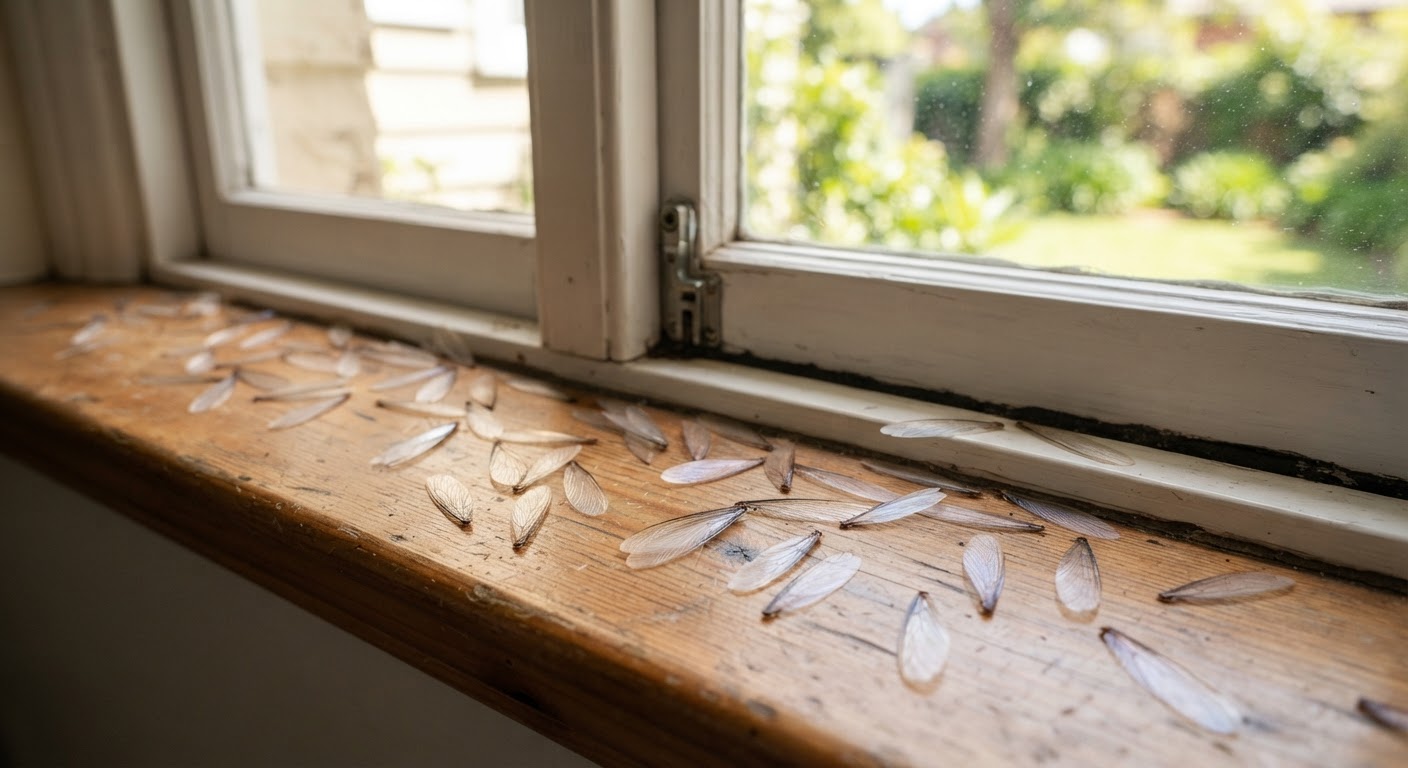
Every spring across the Mid-South, rising temperatures and damp conditions signal the start of termite swarm season. In Memphis, where warm Gulf air mixes with seasonal rainfall, conditions are ideal for subterranean termites. For homeowners, seeing a cloud of winged insects near a foundation or finding piles of translucent wings on a windowsill can be alarming. Understanding why termites swarm, when it happens, and what it means for your property helps you take the right steps to safeguard your home.
A termite swarm is not an attack on your home in itself; rather, it is a reproductive flight. Established underground colonies produce winged reproductive termites, known as alates. When outdoor temperatures reach the upper sixties or low seventies following a warm rain, these alates emerge in large numbers to mate and disperse. Once they land, they shed their wings and search for moist soil and wood to establish new colonies.
When Does Swarm Season Happen in Memphis?
In Memphis and Shelby County, termite activity can occur year-round underground, but the visible swarming season generally begins in early spring. Eastern subterranean termites, the most prevalent species in our region, typically swarm from late March through May. However, shifts in local weather can alter this timeline. An unusually warm spell in late February can trigger an early mini-swarm, while sustained moisture into June can prolong reproductive flights.
Swarming typically takes place during the warmest daylight hours, often on bright, sunny afternoons immediately following a spring rainstorm. Because swarmers are weak fliers, they rely on gentle breezes and rarely travel far from their parent colony unless carried by the wind. This means that if you notice a swarm emerging directly beside your patio or along your foundation, an active, mature colony is likely thriving nearby.
Termite Swarmers vs. Flying Ants: How to Tell the Difference
One of the most common issues homeowners face during the spring is mistaking harmless flying ants for destructive subterranean termites, or vice versa. Both insects produce winged reproductives that take flight during similar times of year, but their physical characteristics are distinct upon closer inspection.
- Body Shape: Termites have a uniform, broad waist with an oval body shape consisting of two main segments. Ants feature a distinct, pinched waist that separates their thorax and abdomen into three visible segments.
- Antennae: Termite antennae are straight and resemble tiny strings of beads. Ant antennae are distinctly bent or elbowed.
- Wings: Both insects have two pairs of wings (four total). A termite's wings are identical in size and shape, extending well past the end of its abdomen. An ant's front wings are noticeably larger than its hind wings. Termite wings also shed very easily, which is why homeowners frequently discover heaps of loose wings rather than intact insects.
If you find shed wings along window ledges, baseboards, or near exterior doorways, collecting a few in a sealed plastic bag or container can help a pest professional confirm the species quickly.
Indoor Swarms vs. Outdoor Swarms
Where you observe termite swarmers determines the urgency of the situation. While finding swarmers anywhere on your property warrants attention, indoor discoveries require prompt intervention.
Seeing Swarmers Inside Your Home
If you witness winged insects emerging from interior walls, baseboards, vents, or expansion joints in a concrete slab, it strongly indicates an active subterranean termite infestation within the structure of your house. Because alates are drawn to light, they will quickly congregate around windows and light fixtures inside. An indoor swarm means a colony is not just near your home; it is actively feeding on structural framing, subfloors, or drywall paper.
Seeing Swarmers Outside in the Yard
Observing a swarm emerging from an old tree stump, landscape timbers, or a mulch bed several yards away from your exterior walls indicates that subterranean termites are present in your soil. This is normal across the Mid-South, where native subterranean termites play an ecological role in breaking down dead plant material. While an outdoor swarm does not guarantee your house has sustained structural damage, it serves as a clear warning that an active colony exists close enough to bridge the gap to your home if favorable moisture and access points exist.
Subtle Signs of Termite Activity Beyond Swarms
Termite swarms last only a few hours, and alates that fail to find moist soil quickly dehydrate and perish. Even if you miss the swarm itself, subterranean termites leave behind other physical indicators of their presence:
- Mud Shelter Tubes: Subterranean termites require continuous moisture to survive. To travel between the soil and wood components of your home without drying out, they construct pencil-sized tubes out of soil, wood particles, and saliva. Look for these tubes along foundation walls, brick piers, crawl space footings, and sill plates.
- Hollowed or Damaged Wood: Subterranean termites consume wood along the grain, eating the softer springwood and leaving the harder summerwood intact. Wood that sounds hollow when tapped, or reveals layered, soil-lined galleries when probed, is a classic sign of feeding damage.
- Bubbling or Blistering Paint: Moisture brought into wall voids by termites can cause paint or drywall paper to bubble, peel, or appear water-damaged without any plumbing leak present.
- Tight-Fitting Doors and Windows: As termites introduce moisture into structural framing, studs and framing members can warp, causing doors and windows to stick unexpectedly.
Why Memphis Homes Are Particularly Vulnerable
Memphis architecture and geography create specific conditions that support subterranean termite populations. Many historic and mid-century homes in neighborhoods like Midtown, East Memphis, and Central Gardens feature raised foundations with crawl spaces. If crawl spaces lack adequate vapor barriers or proper cross-ventilation, moisture levels rise, creating a warm, damp environment that allows termites to thrive beneath living areas.
Additionally, modern construction frequently uses slab-on-grade foundations. While concrete cannot be eaten by termites, settling cracks, bath traps, and utility penetrations provide hidden pathways from the soil directly into wall cavities. Combined with the Mid-South's prolonged warm seasons, local colonies remain active for the majority of the year, multiplying the potential for structural compromise if left unchecked.
Practical Steps to Protect Your Home This Season
Homeowners can take several practical maintenance measures to reduce the environmental conditions that attract termites and support swarms:
- Eliminate Wood-to-Ground Contact: Ensure that siding, lattice panels, deck posts, and door frames do not touch bare soil. Maintain a clear inspection gap of several inches between the soil and the bottom edge of exterior cladding.
- Manage Surface Moisture: Keep gutters clean and ensure downspouts discharge water several feet away from foundation walls. Grade soil so rainwater drains away from the structure rather than pooling at the perimeter.
- Limit Mulch Near the Foundation: While wood mulch does not necessarily generate termites, it retains moisture and provides a protective layer that shelters termites from temperature extremes. Keep mulch beds several inches away from the foundation masonry.
- Address Plumbing and HVAC Leaks: Repair exterior spigot drips and ensure air conditioning condensation lines route water away from foundation perimeters and crawl space vents.
- Inspect Firewood and Storage: Store firewood, scrap lumber, and cardboard boxes off the ground and well away from exterior walls.
What to Do When You Spot Signs of a Swarm
If you discover a swarm inside your home, avoid reaching for standard aerosol insect sprays. While a household spray may kill the visible winged swarmers, it does nothing to stop the thousands of worker termites feeding silently inside the wood members or beneath the foundation. Furthermore, spraying can cause termites to redirect their foraging paths, complicating professional detection and treatment efforts.
Instead, vacuum up the dead swarmers and loose wings to keep the area tidy, save a few specimens in a sealed bag for verification, and schedule a comprehensive inspection with a reputable pest control professional. A dedicated assessment will identify the exact entry points, measure the extent of any wood damage, and determine the most effective termite treatment strategy for your home's construction style.
Protecting your property against subterranean termites requires vigilance, timely maintenance, and professional support. If you suspect termite activity or want an experienced eye to inspect your crawl space and foundation, North Ember Pest Control is here to help Memphis homeowners protect their investments with targeted, thorough termite control solutions.
Need help from North Ember Pest Control?
Contact our team to discuss your service needs in Memphis and surrounding service areas.